from the facts?--where-we're-going,-we-don't-need-facts... dept
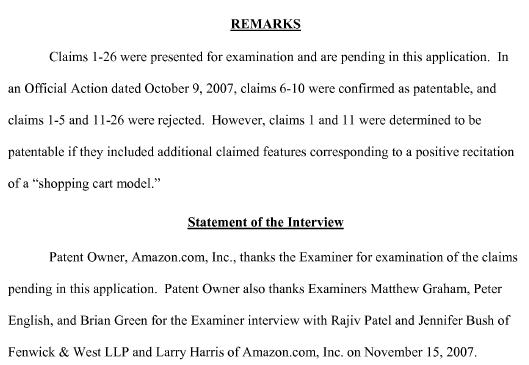
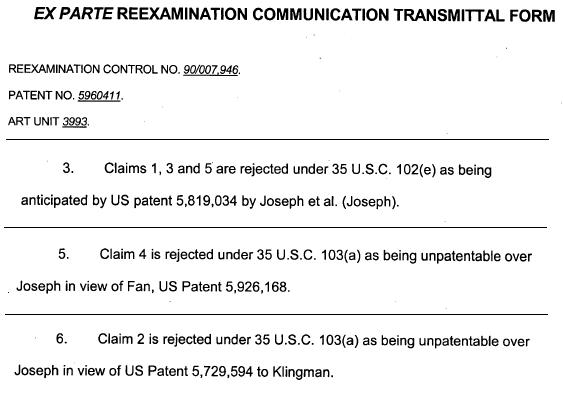
theodp writes "Citing their ‘neurotic reaction to patent law,’ BusinessWeek rips Slashdot readers a new one in ‘Give Software Patents a Break’, which takes techies to task for denying credit to innovations that in hindsight seem to be no-brainers. ‘For example,’ argues BW, ‘Amazon’s 1-Click checkout patent for speeding online purchases has been challenged in both the courts and by detractors as being incredibly obvious. No evidence of a similar innovation predating the Amazon patent was found despite a large bounty offered for its discovery and the ensuing widespread search.’ That’s the same argument Amazon unsuccessfully lobbied Congress with. Except prior art was found, even if the Jeff Bezos-funded BountyQuest couldn’t bring itself to declare an ‘official’ bounty winner. And some of that prior art — a TV remote patent — was cited by a USPTO Examiner as he rejected most of the 1-Click patent claims last month."
It’s not surprising, of course, to find out that the piece was penned by a patent attorney — hardly an unbiased source in the matter. He also makes other mistakes and incorrect assumptions about why people dislike software patents. It’s not just because most people find the patents obvious in hindsight (as he suggests), but because people understand that innovation is an ongoing process of building on the ideas of others — and blocking off simple ideas with patents makes it nearly impossible to continue that process. It’s also about the fact that given the same problem, many, many, many programmers are likely to come up with similar solutions independently — and giving one a complete monopoly on an idea seems ridiculous. He fails to note the inherent problem in the fact that software is already covered by copyright, meaning that patents give it a second layer of unnecessary protection. He also makes the (all too common) mistake of assuming that issued patents really are both non-obvious and new — when there’s plenty of evidence to the contrary. He follows that up by mistakenly assuming that a correlation between the number of patents filed and R&D budgets means that patents are somehow responsible, rather than the other way around. The reason more patents than ever before are being filed is because of all of these ridiculous patent suits that mean you need to file patents just to protect yourself from someone else suing you for simply providing the best product in the marketplace. All in all, it’s a terrible piece, based on the incorrect premise that patents are a general good thing, and therefore more patents must be better. It shows no understanding of the actual economics of the patent system or any sense of how innovation actually works.
Filed Under: one-click, patents, software patents